


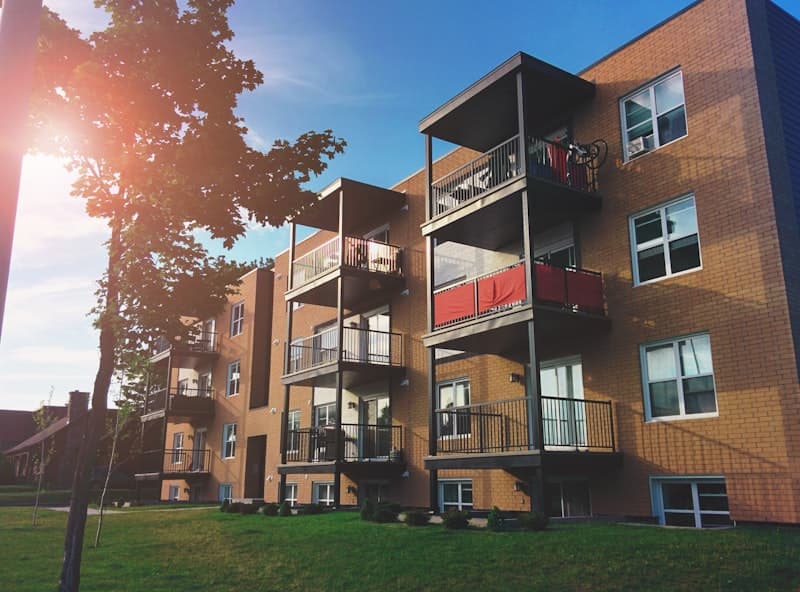
Understand what happens during buyer inspections, how to respond to inspection requests, and negotiate repairs or credits that protect your bottom line.
Key Takeaways
- Get pre-sale inspection ($300-$500) before listing to know issues in advance
- Buyer inspections happen 7-10 days after offer; inspection period is typically 7-14 days
- Major system failures (roof leaks, HVAC failure) are reasonable to address
- Cosmetic requests (paint, carpet, drywall) are negotiable—offer credit instead of repairs
- Never credit more than the repair actually costs per contractor quotes
What Happens During a Home Inspection
Selling a home is one of life's major decisions — whether you're downsizing, relocating, or starting a new chapter. This is the moment when having a trusted guide makes all the difference.
After your buyer makes an offer, they typically hire a home inspector to examine every system: roof, HVAC, plumbing, electrical, foundation, windows, appliances, and more. The inspection takes 2-4 hours. You're typically not required to be present, though you can be.
The inspector produces a detailed report listing every issue found, from critical (roof leak, foundation crack) to minor (slow drain, missing cabinet door). This report becomes the basis for repair or credit requests.
The Inspection Period: Your Timeline
Most inspections happen within 7-10 days of offer acceptance. Standard purchase agreements give buyers 7 days to hire an inspector and review results. Some buyer agents negotiate 10-14 days. Longer inspection periods (14-21 days) give buyers extra time to investigate.
During the inspection period, you can't do much. The buyer's inspector has access to your home. Once their report is complete, they send it to the buyer. The buyer then has a few days to request repairs or credits based on inspection findings.
Responding to Inspection Requests
After inspection, the buyer typically sends a list of items they want you to repair or provide credit for. Common requests include roof repairs ($5,000-$15,000), HVAC repairs ($2,000-$8,000), plumbing fixes ($1,000-$5,000), electrical corrections ($500-$3,000), and cosmetic items ($300-$1,000).
You have a few options: grant all requests, grant some and counter on others, or deny requests. Your response depends on your financial position and market conditions. If you must sell and have strong competition, granting reasonable requests keeps the deal moving. If you have multiple offers, you can be selective.
Understanding Reasonable vs. Unreasonable Requests
Reasonable requests: Major systems that don't work (roof leaks, HVAC failures, plumbing backups, electrical hazards). Buyers can't get mortgage financing with major system failures. Address these.
Negotiable requests: Cosmetic items (paint, carpet stains, drywall damage, slow drains). Buyers are trying to get you to pay for normal wear-and-tear. Offer credits instead of repairs, or deny if requests seem excessive.
Unreasonable requests: Full kitchen remodel because counters are outdated. New roof because it's older (but not leaking). Full bathroom upgrade because fixtures are original. These are buyer preferences, not home condition issues. Deny these firmly.
Getting Contractor Quotes
When the buyer requests repairs, get contractor quotes to determine true cost. If they request roof repair and quotes range $8,000-$12,000, you know what reasonable credit should be. Don't accept buyer estimates; use actual quotes.
If you decide to perform repairs (instead of offering credit), hire contractors immediately. Repairs should be completed before closing. Require proof of work and invoices. Keep a clear paper trail.
Countering Unreasonable Requests
If the buyer requests $20,000 in cosmetic repairs on a home you've already discounted 5% from asking price, it's time to push back. Your counter might be: "Home is offered as-is cosmetically. We'll address major system issues (HVAC is $150 to repair drain line). We cannot address cosmetic preferences."
Sometimes buyers make requests knowing you'll counter. They're testing to see how flexible you are. Countering firmly shows you won't be pushed around. This often leads to reasonable compromise.
The Negotiation Process
Buyer sends inspection report and requests repairs. You counter with which items you'll fix and which you won't. They might counter your counter. Back-and-forth continues until both sides agree.
This negotiation is normal and expected. Both sides are trying to reach fair terms. If you can't reach agreement on repairs, the buyer can cancel the contract (within their inspection contingency period). This is why addressing major issues upfront is important.
When to Walk Away
If a buyer's inspection requests total $50,000 on a $400,000 home, and you can't negotiate down to a reasonable number, walking away might be best. Move on to your next buyer. Sometimes deals don't work for both sides, and that's okay.
What to Do Next
- Get pre-sale inspection ($300-$500) before listing to identify issues
- Fix major system issues before listing (roof leaks, HVAC failure, plumbing problems)
- When buyer sends inspection report, review carefully with your realtor
- Get contractor quotes for any repairs requested
- Distinguish between reasonable (major systems), negotiable (minor issues), and unreasonable requests
- Offer credit instead of repairs for cosmetic items
- Counter buyer requests firmly if they're unreasonable
- Keep paper trail of all quotes, repairs, and invoices
- Be prepared to walk away if requests are excessive
Have questions about the seller's side of home inspections prepare, respond, and negotiate? The team at Thrive.RealEstate is here to help — no obligation, no pressure. We believe everyone deserves expert guidance through life's biggest real estate decisions.
Action Checklist
HomeBase — Clear answers. Real people.
What to do next
This article is part of Selling my home, step 6: What happens after I accept?