


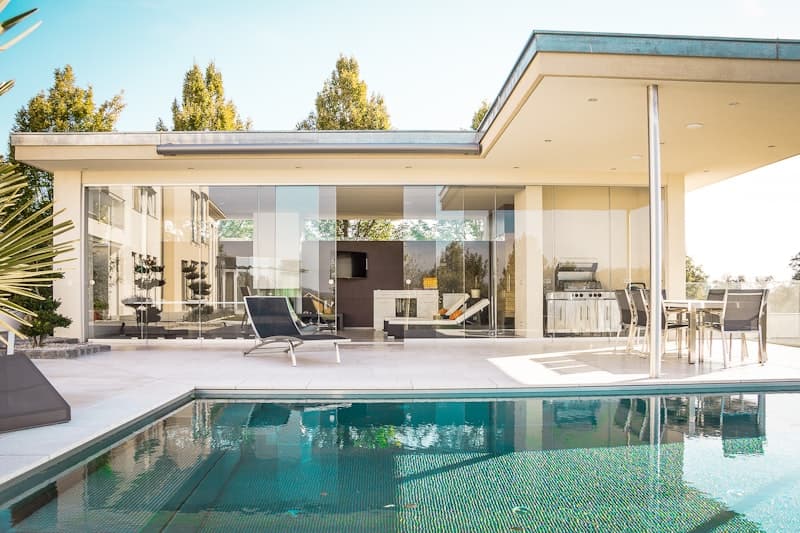
Manufactured and modular homes offer affordable alternatives to traditional construction. Understand their benefits, limitations, and how financing differs from conventional homes.
Key Takeaways
- Manufactured homes are cheap ($40,000-$80,000) but depreciate like vehicles and are hard to resell
- Modular homes cost similar to stick-built but offer factory quality and conventional financing
- Manufactured homes in parks carry lot rent ($300-$600/month) which increases yearly
- Owning land (not renting) makes manufactured homes viable; renting lot makes them risky
- Financing manufactured homes is 2-4% more expensive than conventional mortgages
Manufactured vs. Modular: They're Different
Getting the right financing is about more than just the numbers—it's about having confidence in a decision that will affect your family for years. Let us simplify it for you.
Manufactured homes: Built in a factory, moved to a site on a chassis (trailer). They're affordable ($40,000-$80,000) but historically had quality and stigma issues. Modern manufactured homes have improved significantly. Financing can be difficult; many lenders avoid them.
Modular homes: Built in modules in a factory, transported, and assembled on-site. They meet the same building codes as stick-built homes. Quality is excellent (factory-built precision is better than site-built). Financing is similar to regular homes. Price is similar to stick-built ($300,000-$500,000), so cost savings are limited.
The distinction matters: modular homes are often safer bet than manufactured, but cost more. Manufactured homes save money upfront but have financing challenges.
Manufactured Home Advantages and Disadvantages
Advantages: Affordable ($40,000-$80,000), quick build (weeks not months), factory quality control, energy efficiency, modern designs available.
Disadvantages: Depreciate like vehicles (lose 15-25% value per year initially), difficult financing, lower resale value compared to stick-built, may not qualify for conventional mortgages, limited land options (must be in manufactured home parks or special zoning), lot rent if in park ($300-$600 monthly).
A $60,000 manufactured home might be worth $40,000 after 5 years if it depreciates 8-10% yearly. Stick-built homes appreciate; manufactured homes depreciate (like RVs).
Manufactured Home Financing Challenges
Many lenders won't finance manufactured homes because of depreciation and difficulty reselling. Those who do charge higher rates (2-4% above conventional mortgages) and require larger down payments (20-30% vs. 3-5% for conventional).
On a $60,000 manufactured home at 10% interest (vs. 6.5% conventional) for 20 years, monthly payment is about $650 vs. $390 conventional. The 3.5% rate difference costs $3,600 extra per year.
Chattel loans (using the home as collateral, not land) are sometimes used. These are short-term (5-10 years) loans at high interest rates (8-12%). Avoid chattel loans if possible.
Modular Home Advantages
Advantages: Excellent quality (factory precision), meets same building codes as stick-built, financing is identical to conventional homes, appreciation matches stick-built homes, faster build than stick-built (3-4 months vs. 6-9 months), factory quality control ensures fewer defects.
Disadvantages: Similar price to stick-built ($300,000-$500,000), limited customization (must choose from predesigned modules), transport costs if site is far from factory ($2,000-$10,000).
Cost Comparison
Manufactured home: $60,000 purchase, $10,000 down, $50,000 financed at 10% for 20 years = $595/month. Plus $400 lot rent if in park = $995/month total housing cost (no property tax or insurance calculated).
Modular home on owned land: $350,000 purchase, $70,000 down, $280,000 financed at 6.5% for 30 years = $1,773/month. Plus $200 property tax, $100 insurance = $2,073/month.
Manufactured is cheaper monthly but depreciates. Modular is more expensive monthly but appreciates. Over 30 years, the modular home is better investment despite higher monthly cost.
Manufactured Homes in Parks vs. On Land
In park: Lot rent ($300-$600 monthly) goes to park owner. Lot rent increases yearly 5-10%. You have no control over park rules (pets, guests, exterior colors). Park owner can raise rent aggressively, making home unaffordable. If park closes, you must move.
On owned land: No lot rent. You own land and home. Much better long-term. Financing is easier too. This is the best scenario for manufactured homes.
Resale Challenges
Manufactured homes are harder to sell than stick-built. Buyer pool is smaller. Lenders have financing issues. Appraisals often come in lower than expected. Many traditional real estate agents won't represent manufactured home sales.
If you buy a $60,000 manufactured home intending to sell in 5 years, you might find only $35,000-$40,000 offers. You've lost $20,000-$25,000 of your purchase price (beyond normal depreciation).
When Manufactured Homes Make Sense
Manufactured homes make sense when:
- You own the land (not renting lot in park)
- You plan to keep it 20+ years (allows appreciation despite initial depreciation)
- You can get conventional financing (easier if on owned land)
- You're building in rural area where stick-built homes are expensive
- You're building a second home or cabin (less permanent, lower cost is attractive)
When modular makes sense: you want stick-built quality and appreciation but want faster construction and factory precision. You're willing to pay similar to stick-built price.
Quality and Building Codes
Modern manufactured homes meet HUD code (federal manufactured home standard). They're not inferior to stick-built—they're just different. Factory construction is often more precise than site-built.
Modular homes meet the same local building codes as stick-built homes. Quality is excellent. No compromises on building standards.
What to Do Next
- Decide: manufactured (cheap but depreciate) or modular (expensive but appreciate)?
- If manufactured: plan to own the land, not rent lot in park
- Get financing pre-approval (harder for manufactured, easy for modular)
- Research real estate agents who handle manufactured/modular (not all do)
- Get pre-purchase inspection for any used manufactured homes
- Understand depreciation impact if reselling within 10 years
- Budget transport and setup costs (manufactured homes)
- Compare monthly costs across manufactured vs. stick-built vs. modular
- Factor in lot rent if considering park-based manufactured home
Have questions about manufactured and modular homes modern options and financing? The team at Thrive.RealEstate is here to help — no obligation, no pressure. We believe everyone deserves expert guidance through life's biggest real estate decisions.
Action Checklist
HomeBase — Clear answers. Real people.
What to do next
This article is part of Buying new construction, step 4: How does financing a home that doesn't exist yet work?