


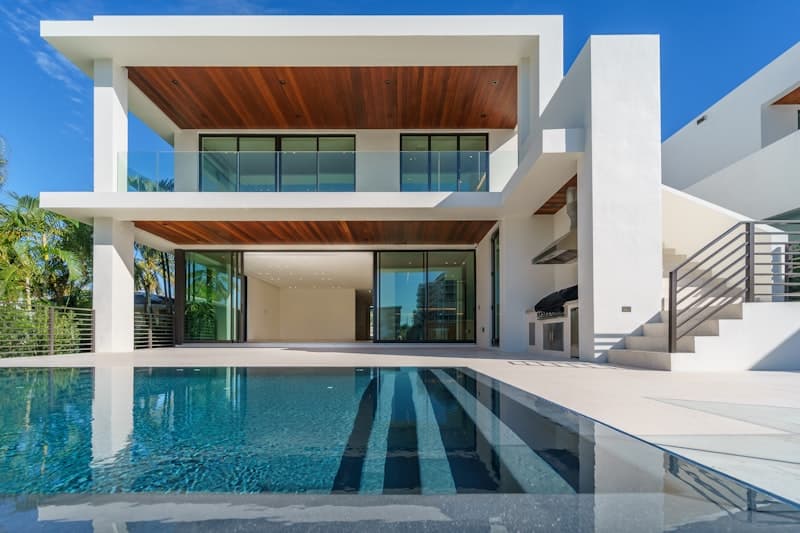
Buying and selling luxury homes involves different strategies: more cash buyers, longer sales timelines, specialized agents, and unique negotiations compared to regular homes.
Key Takeaways
- Luxury homes sell slower (90-180 days vs. 30-60 days for regular homes) and need specialized marketing
- 40-60% of luxury buyers are cash, vs. 3-5% for regular homes—fewer financing contingencies
- Professional staging ($2,000-$10,000) and photography ($1,000-$5,000) are essential for luxury
- Comparable sales are less reliable for luxury pricing—unique features matter more
- International funding and FIRPTA compliance are common in luxury transactions
Luxury Home Definition and Market Dynamics
This is an important real estate decision, and you deserve clarity, confidence, and expert guidance every step of the way.
Luxury homes vary by market. In New York, $2 million is entry-level. In rural areas, $1 million is ultra-luxury. Generally, "luxury" starts where 5% or fewer homes sell (the high end of the market).
Luxury homes are different: fewer potential buyers, longer sales, more price negotiation, multiple contingencies, and specific marketing challenges. A $2 million home might take 6-12 months to sell. A $400,000 home takes 3-4 months average.
Buyer Profile: Cash and Timing
Luxury buyers are often cash or nearly-cash buyers (40-60% cash purchases vs. 3-5% for regular homes). They have fewer financing complications but make different decisions than financed buyers.
Cash luxury buyers are often less price-sensitive but very condition-sensitive. They want perfection. A $2 million home with cosmetic issues will sit unsold; a $400,000 home with the same issues still sells.
Timing for luxury buyers is different. They might be relocating (wealthy executives), downsizing (retirees), or upgrading. Their timelines are flexible—they're not desperate to sell.
Marketing Luxury Homes
Regular real estate marketing (MLS, Zillow, Facebook ads) is insufficient for luxury. Luxury homes need:
- International marketing: Luxury buyers travel. Marketing to international buyers increases pool.
- Luxury portals: Sotheby's International Realty, Christie's, luxury-specific sites
- Private marketing: Targeted outreach to wealthy individuals in your network
- Premium photography/video: High-end production ($1,000-$5,000 for drone, professional video, architectural photos)
- Magazine features: High-end lifestyle magazines ($5,000-$20,000 for feature placement)
- Agent network: Connecting with luxury agent networks worldwide
Luxury homes marketed only on standard MLS won't sell. They need specialized marketing to reach qualified buyers.
Specialist Agents Make Difference
Not all agents handle luxury well. Luxury requires:
- Experience in luxury market (not just regular market)
- International connections (to market worldwide)
- Network of wealthy buyers and investors
- Experience with large transactions and complex negotiations
- Understanding of international funding and visa implications
- Connections to luxury brokerages or high-end affiliations
Interviewing luxury agents: Ask for last 10 sales, average price point, time on market, and international buyer percentage. Good luxury agents have specific experience in high-end market.
Pricing Luxury Homes: Less Reliable Comps
Comparable sales (CMAs) are harder for luxury homes. If only 2-3 similar homes sold in past year, the market is thin. Price influences are less about comparable sales and more about unique features, architecture, views, and desirability.
Luxury homes can sit overpriced for months if priced above market. Once reduced to market rate, they often sell quickly. The psychology of luxury buyers is different—they see extended listing time as a red flag.
Price Negotiation in Luxury Market
Luxury negotiations are different. Price reduction of $50,000 on a $2 million home is expected and minimal. However, multiple contingencies (inspection, appraisal, financing) are rarer—many cash buyers waive contingencies.
Negotiations often focus on: what stays with the home (artwork, furnishings), closing timeline, and occupancy dates. Price is less negotiated than conditions and timing.
Closing Process: International Funding
Luxury buyers sometimes fund from outside the US. This requires:
- International wire transfers (often multiple days, fees involved)
- Currency exchange (rates fluctuate daily, potentially $10,000-$100,000 impact)
- Foreign tax implications for seller
- FIRPTA compliance (if buyer is foreign, withholding requirements apply)
Closing timelines are longer with international funding. You might close 10-15 days later than anticipated waiting for wire transfers. Plan accordingly.
Taxes and Liability
Luxury homes attract more scrutiny from IRS on capital gains. Large gains (selling a $2 million property for $3 million = $1 million gain) are reported carefully. Consult a CPA familiar with high-net-worth clients.
Estate planning and liability are more important for luxury sellers. Keeping detailed records of improvements, capital gains, and basis is critical.
HOA and Community Restrictions
Luxury homes in gated communities or with HOAs have different restrictions and appeal. Some buyers prefer HOA (security, maintenance standards). Others want no restrictions. Understand buyer preferences.
Time on Market: Expect Longer Sales
Luxury homes sell slower than regular homes. Average time-on-market:
- Regular homes ($300,000-$500,000): 30-60 days
- Luxury homes ($1,000,000+): 90-180 days in normal markets, 6-12+ months in slow luxury markets
Don't be alarmed by slow initial sales. Patience is part of luxury market. Reducing price aggressively early signals desperation.
What to Do Next
- Hire agent specialized in luxury market (not general agent)
- Invest in professional staging ($2,000-$10,000) and photography ($1,000-$5,000)
- Market through luxury portals and international channels
- Price based on unique features, not just comparable sales
- Expect longer time-on-market (90-180 days typical)
- Be prepared for cash buyers with fewer contingencies
- Understand FIRPTA and international funding implications
- Consult CPA familiar with luxury transactions and capital gains
- Be patient with price negotiations—it's about conditions, not price
Have questions about luxury homes what's different about high-end transactions? The team at Thrive.RealEstate is here to help — no obligation, no pressure. We believe everyone deserves expert guidance through life's biggest real estate decisions.
Action Checklist
HomeBase — Clear answers. Real people.
What to do next
This article is part of Selling a luxury home, step 1: What's different at the high end?