


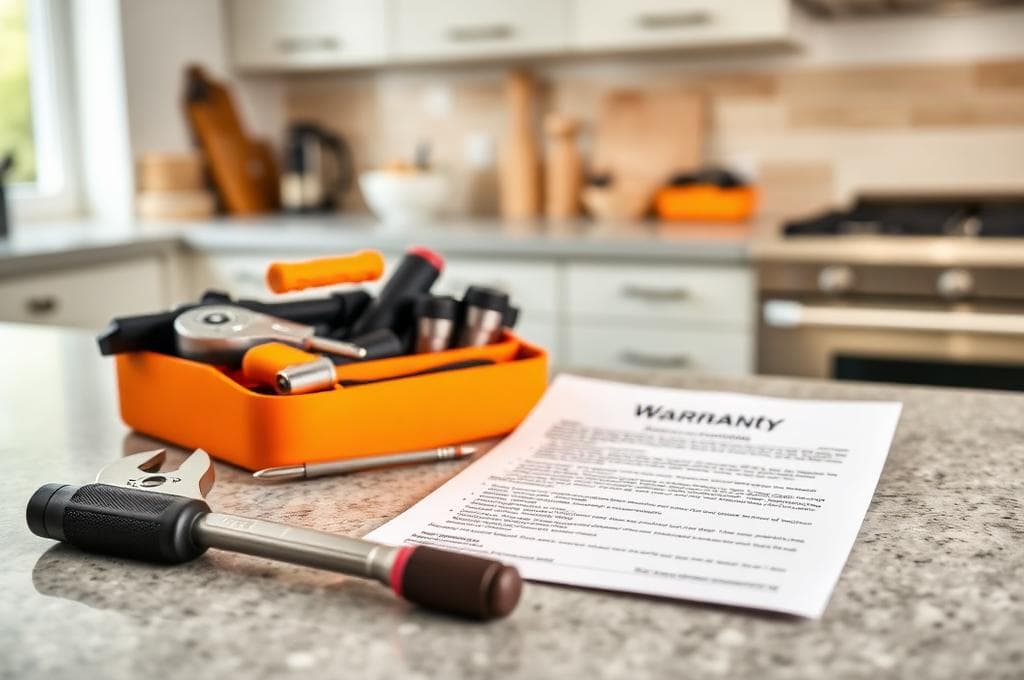
Home warranties cover repairs and replacements of major systems and appliances—but they come with limits and exclusions. Learn what they cover, what they cost, and whether they're worth buying.
Key Takeaways
- Home warranties cover repairs and replacements of major systems and appliances due to wear and tear
- They're service contracts, not insurance, and they have significant exclusions and limits
- Cost is typically $400-600/year plus $50-100 per service call
- They're most valuable on older homes or when the seller pays for it
- Pre-existing condition exclusions and lack of maintenance can result in denied claims
The Insurance You're Not Sure You Need
Your AC breaks down two months after you close. The cost to replace it: $5,000. If you'd bought a home warranty, you'd pay a $500 deductible and the warranty company would cover the rest. This scenario plays out thousands of times every year. But here's the question: is a home warranty actually a smart investment, or are you paying for coverage you'll never need?
The truth is somewhere in the middle. Home warranties aren't insurance (they're service contracts), and they don't cover everything. But for some people, they're worth the cost. For others, they're a waste of money.
What Is a Home Warranty?
A home warranty is a service contract that covers repairs and replacements of major home systems and appliances. It's different from homeowner insurance.
Homeowner Insurance: Covers damage from fires, theft, weather, accidents
Home Warranty: Covers breakdowns of systems and appliances due to normal wear and tear
When your furnace fails from age and use, homeowner insurance won't cover it. A home warranty will (usually, subject to limits and exclusions).
You pay an annual premium (usually $400-600) plus a service fee when you make a claim (usually $50-100 per service call). The warranty company covers the rest of the repair, up to a maximum payout (usually $1,000-5,000 per item).
What Home Warranties Cover
Basic Coverage (Most Plans):
- Air conditioning systems and heat pumps
- Heating systems (furnace, boiler)
- Water heaters
- Refrigerators, ovens, ranges, cooktops, dishwashers
- Plumbing systems (pipes, water main)
- Electrical systems (wiring, panels, switches)
- Garbage disposals, exhaust fans
Add-On Coverage (Additional Cost):
- Roof leaks (from internal causes)
- Pool and spa equipment
- Septic systems
- Laundry machines (washing machines and dryers)
- Well pumps
Different warranty companies offer different plans at different price points. Shop around.
What Home Warranties Don't Cover
This is the important part. Warranties have massive exclusions.
Pre-Existing Conditions
If a system is already broken or damaged when you buy the warranty, it's not covered. Warranties typically require a home inspection within 30 days of purchase to identify pre-existing issues. Anything found in that inspection is excluded.
Lack of Maintenance
If you don't maintain your systems (never change AC filters, never clean dryer vents), the warranty company can deny claims. You're responsible for basic maintenance.
Cosmetic Issues
A dent in your refrigerator or a scratch on your stove isn't covered. Only functional failures are covered.
Items Over the Maximum Payout
If your AC costs $7,000 to replace and your warranty max is $5,000, you pay the difference.
Upgrades
If your warranty covers replacing your AC, but you want a higher-end model, you pay the difference. The warranty covers a standard replacement.
Items Not On Your Service Agreement
Whatever isn't listed in your warranty contract isn't covered. A TV in your home? Not covered. A washer/dryer if you didn't buy appliance coverage? Not covered.
Items Damaged by Negligence or Abuse
If you caused the damage or failed to maintain the system, you're responsible.
The Math: Is a Home Warranty Worth It?
Scenario 1: You Get Lucky
You buy a $500/year warranty, use it twice (service calls at $100 deductible each). The company pays $2,000 in repairs. You spent $500 + $200 = $700. You saved $1,300. Home warranty wins.
Scenario 2: Nothing Breaks
You buy a $500/year warranty and own your home for 5 years. Nothing major breaks. You spent $2,500 on warranty premiums and never filed a claim. Home warranty loses.
Scenario 3: Major Issue Disallowed
Your AC breaks. You file a claim, but the inspection showed the AC was already failing when you bought the warranty, so the claim is denied. You pay $5,000 out of pocket. Home warranty loses.
Scenario 4: Repair Exceeds Maximum
Your water heater fails. Replacement costs $2,500. Your warranty max is $1,500. You pay $1,000 out of pocket plus $500 deductible. Home warranty partially helps.
There's no way to predict which scenario you'll face. Home warranties are a bet that something expensive will break in Year 1 or 2.
Should You Buy a Home Warranty?
Yes, if:
- You're buying an older home (30+ years old) with original systems
- You're buying a home where systems failed the inspection but were signed off anyway
- You don't have emergency cash saved and couldn't handle a $5,000 AC replacement
- You want the peace of mind of a service contract in Year 1
- The seller is offering to pay for the warranty (common in seller's markets—they use it to sweeten the deal)
No, if:
- You're buying a newer home (10 years or younger) with newer systems
- You have $15,000+ in emergency savings
- You're comfortable taking the risk and fixing systems as they break
- Your home inspection showed no issues with major systems
The Fine Print That Gets People
Pre-Existing Condition Exclusions
The inspection window is tight (usually 30 days). If you don't get a comprehensive home inspection and list pre-existing issues, you'll lose coverage on those items. The warranty company will deny claims saying, "This was already failing when you bought the warranty."
Selective Repair vs. Replacement
Warranty companies often repair instead of replace. Your AC is broken? They might replace one component instead of the whole unit, stretching out its life a few more years. You wanted a full replacement.
Contractor Choice Limits
You usually don't get to choose your contractor. The warranty company sends their preferred contractor. You don't have control over who works in your home.
Response Time
Warranty companies aren't always fast. Your AC breaks in July (peak season). The warranty company might not have availability for two weeks. You'll be living without AC that whole time.
From the Thrive Team: Three Pro Tips Based on 450+ Transactions
Pro Tip #1: Use It as a Negotiating Tool When Buying
In a seller's market, we sometimes ask sellers to pay for a one-year home warranty as part of the deal. It costs them $300-500 but gives you peace of mind and covers systems in Year 1. This is especially valuable on older homes. If the seller won't give you a price reduction, ask them to cover the warranty cost instead.
Pro Tip #2: Get a Home Inspection, Then Decide on the Warranty
Never buy a home warranty without a thorough home inspection first. The inspection tells you which systems are near the end of their lifespan. If the inspection shows most systems are in good shape, skip the warranty. If it shows several systems that are aging, get the warranty. Let the inspection guide your decision.
Pro Tip #3: Don't Buy Long-Term Warranties Upfront
Some sellers offer multi-year warranties (2-3 years) as part of the deal. We usually decline these. If you do buy a warranty, buy it for Year 1 only. After Year 1, you'll know which systems are problematic. If nothing has broken, don't renew. If something specific is aging, you can buy coverage for that item instead of the whole house.
Bottom Line: Home Warranties Are Negotiable—Not Essential
Home warranties can be valuable in specific situations, especially if the seller pays for it or if you have an older home with aging systems. But they're not essential if you have emergency savings and a newer home with good systems. Read the fine print carefully, understand the exclusions, and make your decision based on your financial situation and risk tolerance.
What to Do Next
Have questions about home warranties or whether one makes sense for your situation? The team at Thrive.RealEstate is here to help—no obligation, no pressure. We believe everyone deserves expert guidance through life's biggest real estate decisions.
Let's talk about protecting your home systems and planning for repairs.
Action Checklist
HomeBase — Clear answers. Real people.
What to do next
This article is part of Buying new construction, step 1: What's different when the builder is the seller?